Gala GLP-1
Gala GLP-1 Review & Clinical Analysis: Is It Right For You in 2026?

Our independent review of the Gala GLP-1 program examines how this platform provides affordable access to medically supervised weight loss treatments, including semaglutide and tirzepatide, through a secure, fully online telehealth network in the United States.
As demand for accessible GLP-1 medications grows, understanding the clinical framework, exact costs, and treatment protocols is essential for prospective patients. This comprehensive consumer guide utilizes publicly verified data to outline the complete treatment process—from the initial online health assessment with licensed healthcare providers to the secure home delivery of personalized medication plans.
Our clinical analysis details the core operational and medical elements of the telehealth program, addressing the most critical patient inquiries:
Medical Legitimacy: Telehealth compliance and provider licensing.
Clinical Efficacy: Mechanisms for appetite control and sustained weight loss.
Safety Protocols: Managing potential side effects and ongoing patient support.
Verified Pricing: Complete cost breakdowns and long-term affordability.
The following independent breakdown provides the exact, objective data required to make an informed decision regarding this modern weight management system in 2026.
Our Analysis of Gala GLP-1: Platform Overview & Treatment Scope
Based on our review, Gala GLP-1 operates as a specialized, telehealth-based medical weight management platform designed to provide eligible adults with secure, online access to advanced metabolic treatments.
By operating entirely digitally, the company states that its platform eliminates the bottlenecks of traditional medical weight loss clinics. According to the stated patient workflow, users complete a comprehensive online health assessment, consult with licensed medical providers remotely, and, upon medical approval, receive their prescribed treatments via direct home delivery.
Our research indicates the program’s clinical focus centers on two primary active pharmaceutical ingredients, both proven in broader clinical studies to support sustained appetite control and long-term weight management:
Semaglutide
Tirzepatide

How Gala Aims to Modernize Traditional Care
Gala GLP-1 markets this telehealth model as a streamlined, cost-effective alternative to standard medical weight loss hurdles. For consumers, the portal is designed to bypass:
In-person clinic visits and waiting rooms
Complex insurance approval requirements and delays
Long retail pharmacy wait times and localized medication shortages
Prohibitive out-of-pocket costs for branded prescriptions
By providing direct access to medical networks, the service appears to function as a highly affordable, direct-to-consumer alternative to expensive, brand-name medications such as Wegovy®, Ozempic®, Zepbound®, and Mounjaro®.
According to publicly available information, the platform’s telehealth network currently evaluates and serves eligible patients throughout the United States.

Quick Overview of Gala GLP-1

Understanding GLP-1 Medications: Clinical Mechanism & Efficacy
GLP-1 receptor agonists are a class of prescription medications originally developed for the management of type 2 diabetes. Their primary mechanism involves mimicking the glucagon-like peptide-1 hormone, which plays a pivotal role in metabolic health.
How GLP-1 Therapies Support Weight Management
These medications influence key biological processes to facilitate sustainable weight loss. By modulating these pathways, the treatment effectively shifts physiological responses to food:
Appetite Regulation: Regulates hunger signals sent to the brain.
Gastric Emptying: Slows digestion, which promotes sustained satiety.
Glycemic Control: Optimizes blood sugar response after meals.
Portion Management: Reduces physiological cravings, naturally leading to smaller portion sizes and decreased snacking frequency.
Clinical Data and Treatment Categories
The landscape of GLP-1 and GIP (glucose-dependent insulinotropic polypeptide) therapies is broad, covering both branded and generic options. Commonly recognized medications include Semaglutide and Tirzepatide, marketed under various names including Wegovy®, Ozempic®, Mounjaro®, and Zepbound®.
Clinical research indicates significant efficacy within this category. Studies suggest that under consistent medical supervision, patients utilizing Semaglutide may achieve body weight reductions of approximately 10–15%, with Tirzepatide trials showing potential for even greater outcomes.
Note: As with all prescription treatments, clinical efficacy and individual results vary based on personal health history, adherence to the program, and medical supervision.To understand the treatments offered through the Gala GLP-1 platform, it is helpful to look at the clinical science behind them. GLP-1 receptor agonists are a class of prescription medications originally developed for the management of type 2 diabetes. Their primary mechanism involves mimicking the glucagon-like peptide-1 hormone, which plays a pivotal role in metabolic health.
How GLP-1 Therapies Support Weight Management
These medications influence key biological processes to facilitate sustainable weight loss. By modulating these pathways, the treatment effectively shifts physiological responses to food:
Appetite Regulation: Regulates hunger signals sent to the brain.
Gastric Emptying: Slows digestion, which promotes sustained satiety.
Glycemic Control: Optimizes blood sugar response after meals.
Portion Management: Reduces physiological cravings, naturally leading to smaller portion sizes and decreased snacking frequency.
Clinical Data and Treatment Categories
The landscape of GLP-1 and GIP (glucose-dependent insulinotropic polypeptide) therapies is broad, covering both branded and generic options. Commonly recognized medications include Semaglutide and Tirzepatide, marketed under various names including Wegovy®, Ozempic®, Mounjaro®, and Zepbound®.
Clinical research indicates significant efficacy within this category. Studies suggest that under consistent medical supervision, patients utilizing Semaglutide may achieve body weight reductions of approximately 10–15%, with Tirzepatide trials showing potential for even greater outcomes.
Note: As with all prescription treatments, clinical efficacy and individual results vary based on personal health history, adherence to the program, and medical supervision.
The Gala GLP-1 Clinical Care Process
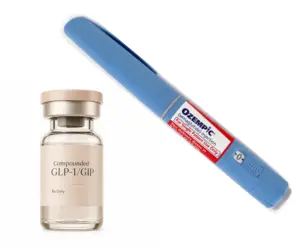
The Gala GLP-1 platform utilizes a streamlined, telehealth-based clinical pathway designed to prioritize patient safety while maximizing treatment accessibility.
The process is standardized to ensure every participant meets established medical criteria before initiating therapy.
Step 1: Comprehensive Clinical Intake
The treatment process begins with a detailed medical history evaluation. This intake is a mandatory safety step, as GLP-1 and GIP receptor agonists are prescription-based treatments with specific contraindications. The clinical intake assesses:
Biometric Data: Current weight, height, and BMI.
Medical History: Existing health conditions, digestive health, and prior weight management attempts.
Medication Profile: Review of current prescriptions to identify potential interactions.
Clinical Goal Setting: Alignment of personal health goals with treatment capabilities.
Step 2: Licensed Provider Evaluation
Upon completion of the intake, a licensed healthcare provider performs a rigorous review of the clinical data. This step ensures that the medication is appropriate for the patient’s health profile. If clinical markers indicate that the treatment is not suitable, or if potential health risks exist, the provider will deny treatment, ensuring that patient safety remains the priority.
Step 3: Tailored Therapeutic Protocol
For patients who meet clinical eligibility, providers develop a personalized therapeutic plan. This plan includes specific dosages, administration instructions, and ongoing care strategies. These protocols are dynamic and subject to adjustment based on:
Medication tolerance and efficacy.
Monitoring of side effects.
Progress toward clinical weight loss benchmarks.
Step 4: Secure Fulfillment & Direct Delivery
Approved medications are fulfilled through regulated channels and shipped directly to the patient’s home. This logistics model is engineered to remove the friction associated with traditional healthcare access, eliminating the need for in-person clinic visits, retail pharmacy queues, and administrative scheduling delays.
Step 5: Ongoing Clinical Monitoring
The Gala GLP-1 program provides tools for consistent medical oversight. This ongoing monitoring allows both the patient and the healthcare provider to analyze progress trends, adjust treatment dosages, and manage potential side effects. This level of care continuity is essential for optimizing long-term outcomes and maintaining adherence to the prescribed weight management regimen.
Semaglutide vs Tirzepatide: What’s the Difference?
Gala GLP-1 offers access to both semaglutide and tirzepatide-based treatments.
Although both medications are associated with weight loss, there are some differences.
Semaglutide

Semaglutide is one of the most widely used GLP-1 medications today.
Many users report:
- Reduced cravings
- Smaller meal portions
- Less emotional eating
- Gradual weight reduction
Semaglutide became extremely popular through medications such as Wegovy and Ozempic.
Tirzepatide
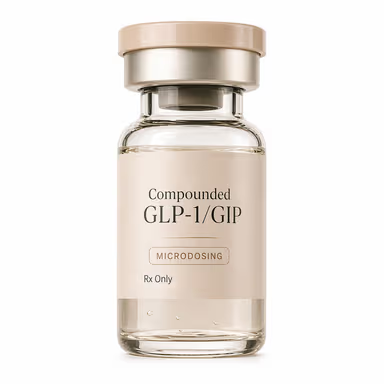
Tirzepatide is often considered more advanced because it works on both GLP-1 and GIP receptors.
Some studies suggest tirzepatide may produce greater average weight loss compared to semaglutide.
However, side effects may feel stronger for certain individuals.
The “better” option often depends on the individual user’s health profile and provider recommendation
Why Gala GLP-1 Is Becoming Popular
After researching available customer feedback and online discussions, several reasons repeatedly appeared regarding why users are exploring Gala GLP-1.
1. More Affordable Than Brand-Name GLP-1 Medications
One of the biggest reasons is cost.
Brand-name GLP-1 medications can cost over $1,000 monthly without insurance coverage.
Gala GLP-1 markets itself as a more affordable alternative, with pricing often starting around $179–$199 monthly depending on the treatment plan.
For many people, this price difference is significant.
2. Entirely Online Process
The convenience factor is another major attraction.
Users can complete everything online instead of:
- Visiting clinics
- Scheduling appointments
- Managing insurance paperwork
- Handling pharmacy complications
3. Home Delivery
Medications are delivered directly to the patient’s address.
This may be especially convenient for people with busy schedules.
4. Personalized Treatment Approach
Many users appreciate the provider-guided assessment system because it creates a more customized experience.
The program does not appear to treat every user exactly the same.
5. Ongoing Support & Tracking
Weight loss journeys can feel overwhelming without accountability.
Tracking systems and provider communication may help users remain consistent.
What Are Customers Saying About Gala GLP-1?

23 lbs lost in 5 months
“In five months with Gala, I’ve lost 23 pounds and feel more energized. The 24/7 support made it easy to stay on track.”
Christina, 43

28 lbs lost in 3 months
“I never thought I could see results this fast. The support team was there for me every step of the way.”
Diana, 34

32 lbs lost in 4 months
“The program fit perfectly into my busy schedule. I feel like a completely new person.”
Kristen, 35
Clinical Transparency & Patient Considerations
No weight management program is perfect for every individual, and Gala GLP-1 is no exception. While many users report positive experiences, it’s helpful to understand a few considerations before getting started.
1. Temporary Adjustment Period
Like many GLP-1 medications, some users may experience mild side effects as their body adjusts to treatment.
These can include:
- Mild nausea
- Occasional constipation
- Digestive changes
- Temporary fatigue
For many people, these effects tend to improve over time as the body adapts and dosage adjustments are made under medical guidance.
2. Results Can Vary Between Individuals
One of the most common concerns comes from people expecting rapid results within the first few weeks.
While some users notice changes relatively quickly, successful weight management often depends on several factors, including:
- Individual metabolism
- Starting weight
- Consistency with treatment
- Lifestyle and nutrition habits
Many users find that steady, sustainable progress is more realistic than dramatic overnight changes.
3. Understanding Compounded GLP-1 Medications
Some prospective users have questions about compounded GLP-1 medications.
Compounded medications are prepared by licensed pharmacies and can provide an alternative option when appropriate. However, they differ from commercially branded medications, which leads some consumers to research the differences before making a decision.
Taking time to understand your treatment options and discussing any questions with a healthcare professional can help you feel more confident about your choice.
4. Ongoing Investment
Weight management is often a long-term journey rather than a short-term solution.
While Gala GLP-1 may offer a more affordable alternative compared to some brand-name options, users should still review:
- Monthly subscription costs
- Medication refill pricing
- Shipping details
- Program policies
Understanding these details upfront can help ensure the program fits comfortably within your long-term health goals and budget.
Conclusion of Value Analysis
Many users find that the potential benefits of the digital care model align well with their lifestyle when combined with proper medical guidance and realistic expectations. According to the platform’s advertised tier pricing, the potential programmatic savings can reach up to $1,440 per year compared to out-of-pocket brand-name prescriptions. For individuals prioritizing cost-efficiency and virtual care, our evaluation indicates Gala GLP-1 represents a highly competitive framework in the 2026 telehealth space.
Platform Credibility, Clinical Compliance, and Telehealth Standards
In the modern telehealth landscape, transparency regarding medical operations and infrastructure is paramount for patient trust. The Gala GLP-1 program operates on an established clinical framework designed to meet national telehealth standards.
Patients evaluating the platform’s legitimacy can look for the following pillars of operational integrity:
Physician-Led Oversight: Every treatment plan is authorized and overseen by licensed healthcare providers. This ensures that the clinical pathway adheres to medical safety standards rather than automated, unregulated protocols.
Regulatory Compliance: The platform maintains infrastructure consistent with national telehealth regulations, ensuring data privacy and patient protection throughout the intake, consultation, and treatment phases.
Verified Medication Fulfillment: Medications are sourced and distributed through regulated, licensed pharmacy channels, ensuring quality control and adherence to FDA-related compounding standards.
Transparent Operational Infrastructure: The program utilizes secure, documented digital platforms for health assessments, provider communication, and progress tracking, ensuring a continuous paper trail of clinical interactions.
Due Diligence for Telehealth Patients
As with any medical service, whether in-person or remote, patients are encouraged to practice proper due diligence. This includes verifying provider credentials, reviewing the program’s terms of service, and confirming that the platform’s care model aligns with their specific health needs. The Gala GLP-1 platform is committed to maintaining the high clinical standards required to serve patients effectively and safely throughout the United States.
Clinical Safety Protocols and Risk Management
GLP-1 receptor agonists are prescription-grade pharmaceutical treatments, not dietary supplements. Their safe and effective use requires rigorous medical oversight and an individualized clinical approach. The safety profile of the Gala GLP-1 program is maintained through specific, mandatory clinical protocols designed to mitigate risks and prioritize patient health.
The Standard of Clinical Oversight
Safety within the telehealth model is predicated on a structured medical framework. Every patient’s experience is defined by the following safety pillars:
Rigorous Medical Evaluation: Before a prescription is authorized, a licensed healthcare provider conducts a comprehensive assessment of the patient’s health history. This process filters for contraindications and ensures that the medication is clinically appropriate.
Individualized Dosage Protocols: Treatment plans are not “one-size-fits-all.” Dosage is carefully titrated by licensed providers based on the patient’s medical profile and physiological response to the medication.
Pharmacological Quality Standards: Medications are sourced through regulated, licensed pharmacy channels, ensuring that patients receive verified, pharmacy-grade treatments rather than unregulated alternatives.
Continuous Clinical Monitoring: Patient safety is sustained through ongoing tracking. This allows healthcare providers to monitor for adverse effects, adjust therapeutic plans in real-time, and provide support throughout the duration of the treatment.
Prioritizing Patient Well-being
Because GLP-1 treatments influence metabolic pathways, they carry potential risks that necessitate professional supervision. Patients are advised that successful and safe weight management is a collaborative effort between the patient’s adherence to protocols and the healthcare provider’s ongoing clinical guidance.
Clinical Contraindications & Patient Eligibility
GLP-1 and GIP receptor agonist therapies are potent pharmacological treatments. Because these medications actively modulate metabolic and digestive systems, they are not suitable for all patients. A rigorous pre-screening assessment is required to ensure that the medication is clinically appropriate and safe for the individual.
Medical Contraindications
Candidates with specific medical histories may be ineligible for treatment, as these conditions may increase the risk of adverse physiological responses. Patients with the following medical histories are typically advised against the use of these medications:
Endocrine History: Individuals with a personal or family history of Medullary Thyroid Carcinoma (MTC) or Multiple Endocrine Neoplasia syndrome type 2 (MEN 2).
Gastrointestinal Conditions: A history of pancreatitis or severe gastrointestinal motility disorders (e.g., gastroparesis).
Reproductive Health: Patients who are currently pregnant, planning to become pregnant, or breastfeeding.
Behavioral Health: A diagnosed history of eating disorders, where GLP-1 modulation of appetite may be clinically contraindicated.
Drug Interactions: Patients currently utilizing medication regimens that may conflict with GLP-1 therapy, which can lead to adverse metabolic interactions.
The Importance of Medical Screening
This list is not exhaustive, and the suitability of any prescription treatment must be determined by a licensed medical provider. The mandatory health intake process is designed to identify these specific risk factors before any treatment plan is initiated. If you fall into any of these categories, disclosing this information during your clinical intake is vital to your safety and the efficacy of your treatment plan.
Gala GLP-1 Pros and Cons
Pros
✅ Fully online medical process
✅ Access to semaglutide and tirzepatide
✅ More affordable than many branded GLP-1 medications
✅ Personalized treatment plans
✅ Provider-supervised evaluation process
✅ Home medication delivery
✅ Progress tracking tools available
✅ Convenient for busy individuals
✅ No clinic visits required
✅ Ongoing provider communication
Cons
❌ GLP-1 has minor side effects
❌ Results vary from person to person
❌ Long-term use
❌ Compounded medications differ from FDA-approved commercial drugs
❌ Requires consistency and lifestyle improvements
❌ Some users may expect faster results than realistically possible
❌ Not everyone qualifies medically
❌ Subscription details should be reviewed carefully
What Happens During the First Few Weeks?
Many first-time users wonder what to expect after beginning treatment.
While experiences vary, some common early changes may include:
- Reduced hunger
- Smaller appetite
- Feeling full faster
- Less snacking
- Mild nausea
- Digestive adjustments
Weight loss usually begins gradually rather than instantly.
Some users notice changes within weeks, while others require dosage adjustments and more time.
Comparative Analysis: Telehealth vs. Traditional Weight Loss Models
The optimal approach to medical weight management often depends on individual patient requirements and personal logistics. Both traditional in-person clinical care and digital telehealth platforms offer valid pathways to treatment, each possessing distinct operational characteristics.
Traditional Clinical Care
In-person weight loss clinics are centered on a physical healthcare model. This approach is typically preferred by patients who prioritize:
Direct Physical Examination: Routine in-office assessments and localized diagnostic testing.
Immediate Clinical Rapport: Face-to-face interaction with providers throughout the entire consultation process.
Localized Support: Immediate, on-site assistance for clinical concerns.
The Telehealth/Digital Model (Gala GLP-1)
The Gala GLP-1 platform utilizes a digital care delivery model designed for efficiency and accessibility. This pathway is frequently selected by patients who prioritize:
Streamlined Access: Elimination of travel requirements, waiting rooms, and in-person appointment scheduling.
Operational Efficiency: Integration of health assessments and prescription management into a fully online, asynchronous workflow.
Logistical Convenience: Direct-to-home medication delivery and remote progress tracking that fits into busy, mobile lifestyles.
Selecting the Right Model
The distinction between the two models is primarily logistical. Traditional clinics provide a high-touch, in-person environment, while telehealth platforms like Gala GLP-1 emphasize accessibility and convenience. Patients are encouraged to evaluate their personal need for in-person oversight versus the flexibility offered by digital, remote-care infrastructure when determining which program best suits their lifestyle and long-term health goals.
Pricing & Packages
Pricing appears to vary depending on:
- Medication type
- Dosage level
- Treatment duration
- Provider recommendations
Most publicly available references place starting plans around $179–$199 monthly.
Before enrolling, users should verify:
- Shipping fees
- Refill pricing
- Subscription renewals
- Consultation costs
- Refund policies
Frequently Asked Questions (FAQ)
Does Gala GLP-1 require insurance?
Not necessarily. Many telehealth GLP-1 programs operate independently of insurance coverage.
Is Semaglutide the same as Ozempic?
Semaglutide is the active compound found in medications such as Ozempic and Wegovy.
How long before users notice results?
Some individuals notice appetite changes within weeks, but meaningful weight loss usually requires several months of consistency.
Are side effects common?
Digestive side effects are relatively common with GLP-1 medications.
Is Gala GLP-1 available nationwide?
The company claims to operate throughout the United States.
Do people regain weight after stopping treatment?
Some individuals may regain weight after discontinuing GLP-1 medications if lifestyle habits are not maintained.
Clinical Summary: Evaluating the Gala GLP-1 Program for 2026
The Gala GLP-1 platform serves as a modern, telehealth-integrated solution for patients seeking medically supervised weight management. By facilitating access to GLP-1 and GIP receptor agonist medications (such as semaglutide and tirzepatide) through a structured, online framework, the program addresses the primary logistical barriers to traditional weight loss care.
Core Program Advantages
The platform is designed to provide clinical efficiency through:
Integrated Medical Intake: A streamlined assessment process that prioritizes patient safety.
Clinical Continuity: Consistent communication with licensed providers and ongoing progress monitoring.
Logistical Accessibility: Home delivery of prescribed treatments, eliminating common retail and scheduling friction.
Cost-Effective Alternatives: Providing a sustainable financial pathway to medication when compared to branded, commercial pharmaceuticals.
The Foundation for Clinical Success
It is imperative to recognize that GLP-1 medications are tools for metabolic health, not standalone solutions. Long-term clinical success within the Gala GLP-1 program is contingent upon several non-negotiable factors:
Sustained Lifestyle Commitment: Medication efficacy is significantly enhanced when paired with sustainable nutritional habits and consistent physical activity.
Clinical Adherence: Following provider-mandated dosage protocols and attending regular check-ins.
Realistic Expectations: Understanding that weight management is a progressive, long-term journey rather than an acute, short-term intervention.
Final Consideration
For patients in 2026 seeking a structured, affordable, and accessible approach to medically managed weight loss, the Gala GLP-1 program offers a robust clinical framework. Prospective patients are encouraged to conduct an honest assessment of their long-term health goals and personal commitment to the program’s lifestyle requirements.
Ready to determine if the Gala GLP-1 program aligns with your health needs? Begin your clinical intake and connect with a licensed healthcare provider to review your eligibility today.
Privacy Policy | Disclaimer | Terms and Conditions | Author Bio
FDA Compliance
All content and information found on this page are for informational purposes only and are not intended to diagnose, treat, cure or prevent any disease. The FDA hasn’t evaluated the statements provided on this page. Make sure you consult with a licensed doctor before taking any supplement or making any changes to your diet or exercise plan. Individual results may vary.
The display of third-party trademarks and trade names on this site does not necessarily indicate any affiliation or endorsements of our website. If you click a merchant link and buy a product or service on their website, we may be paid a fee by the merchant.
Copyright © 2026 –Galaglp1us